 Sign up for free stuff

My Blog
The one thing we can all agree on
Posted on August 11, 2023 in Women in Engineering
1
Book Review
Why are women still so poorly represented in Science, Technology, Engineering and Maths?
Does it matter? What are the obstacles? How do we change things?
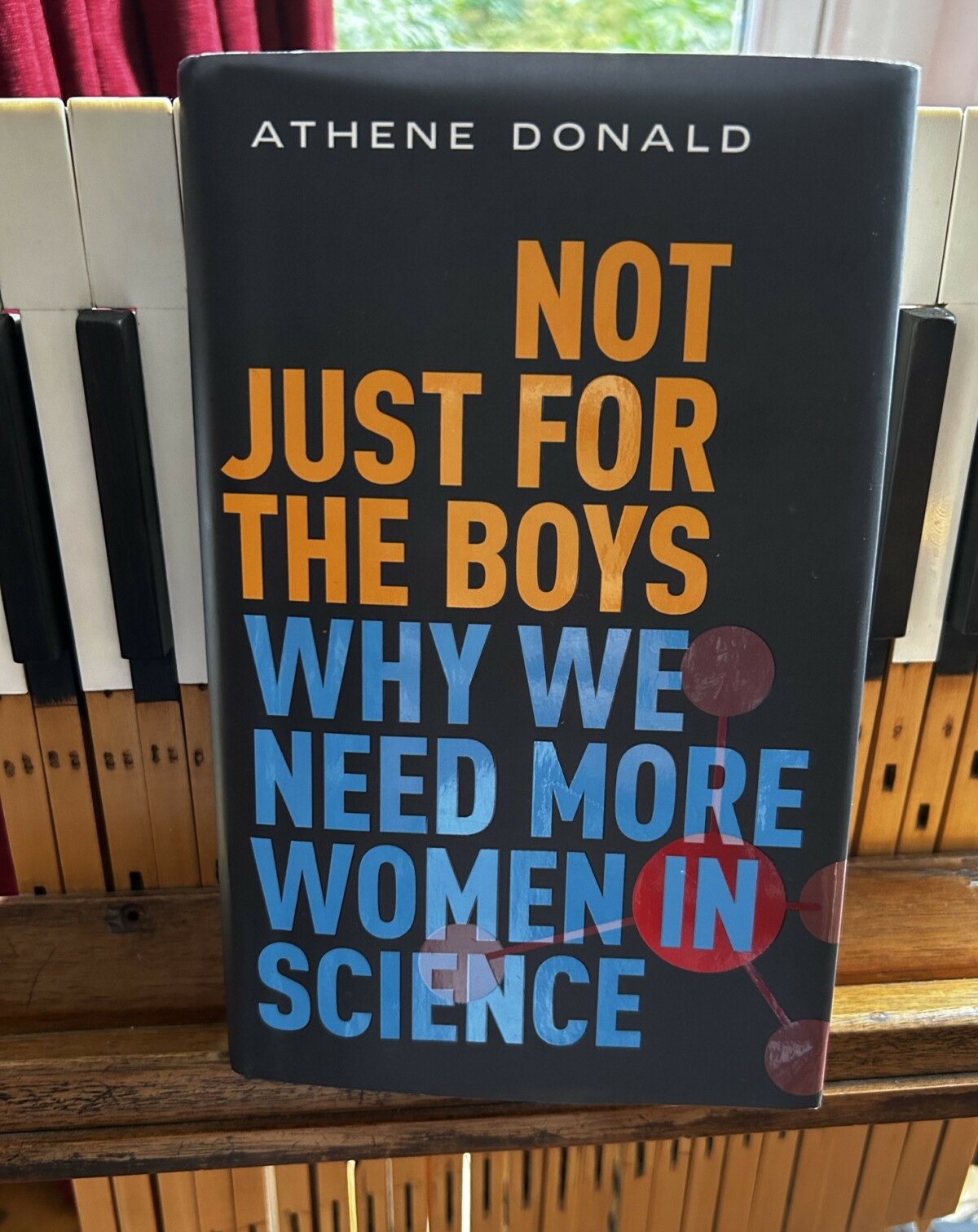
Athene Donald is Professor Emerita in Experimental Physics and Master of Churchill College, University of Cambridge. In her new book (Not Just for the Boys – Why We Need More Women in Science, OUP 2023) she uses the word science to cover STEM subjects – Science, Technology, Engineering and Maths and scientist to cover those who work in STEM. She poses some tricky questions. But she also offers some practical solutions.
The ancient history is familiar – exclusion, restriction, silencing, ridicule, aggression, appropriation. But since 1961 when I was born to a brilliant virologist mother struggling with exactly those ‘ancient’ obstacles, so many things have changed. Haven’t they?
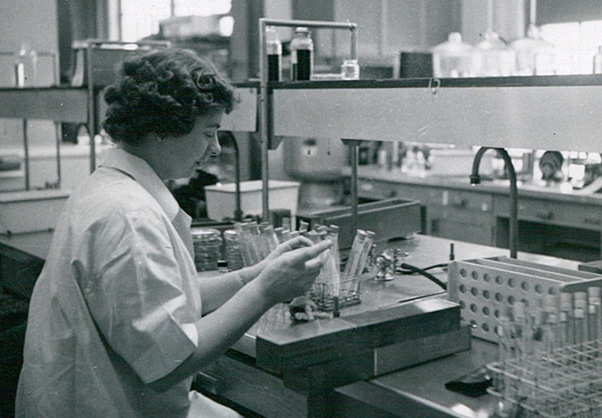
https://www.theguardian.com/science/2017/jul/27/marion-macleod-obituary
What hasn’t changed is the popular image of scientists, in particular of physicists and engineers, and a belief that these are ‘male’ professions with little appeal to schoolgirls.
And it’s women as much as men who hold these views.
Headteacher Katharine Birbalsingh, chair of the Social Mobility Commission, which advises the UK government, was quoted as saying in 2022 “physics isn’t something that girls tend to fancy…There’s a lot of hard maths in there that I think they would rather not do.”
Irish Mathematical Physicist Sheilah Tinney (née Power, 1918-2010), pioneer in quantum mechanics, and millions of other women might disagree.
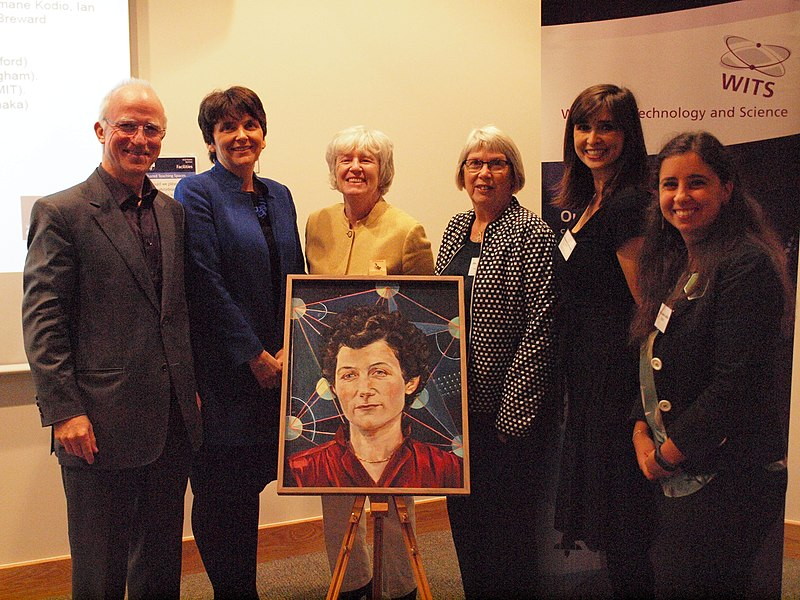
Women in Mathematics Day 2018 University College Dublin 2018 Portrait of Sheila Tinney was with Hugh Tinney, Orla Feely, Ethna Tinney, Marion Palmer, Aoibhinn Ní Shúilleabháin and Isabella Gollini.
Professor Donald has thought a lot about early education and play, showing how in UK we have actually taken several steps backwards over the last 50 years with increasingly gendered toys and declining opportunity for practical science (workshop and labwork) at secondary school.
Like me, Professor Donald is passionate about challenging the artificial arts-science divide.
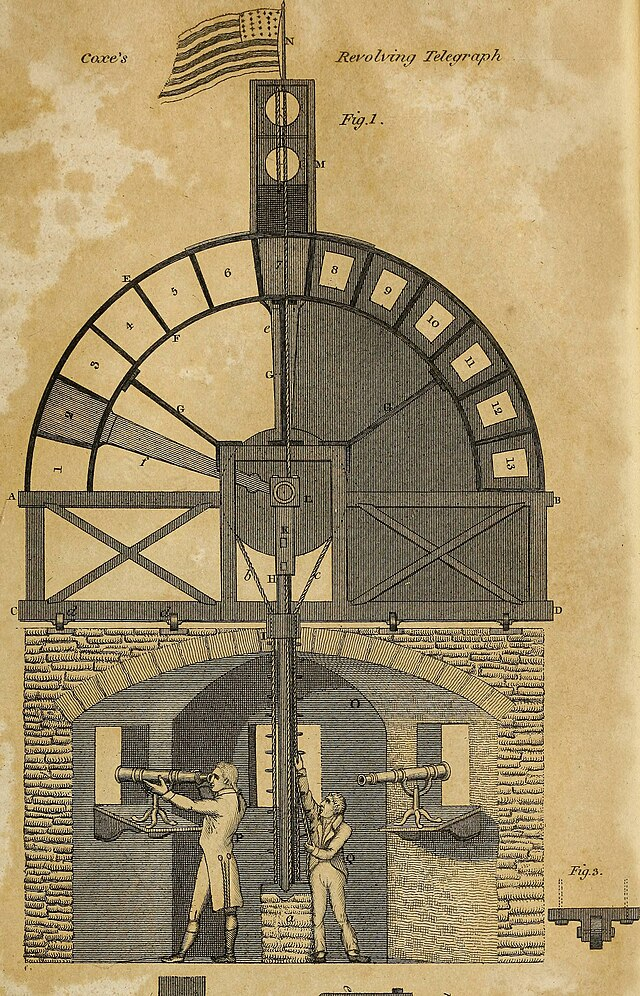
The Emporium of Arts and Science (1812)
Arts vs Science
‘The love of questioning and the central role of creativity sitting at the heart of a scientists work is somehow lost in many educational settings.’
‘Just as scientists should know their Shakespeare and be able to write good prose, so those who pursue careers in the arts or humanities should not be ignorant of some basic science to help inform their lives’
Einstein claimed that his deep work was visual, muscular and emotional. The maths came later.
Curiosity is what drives scientists.
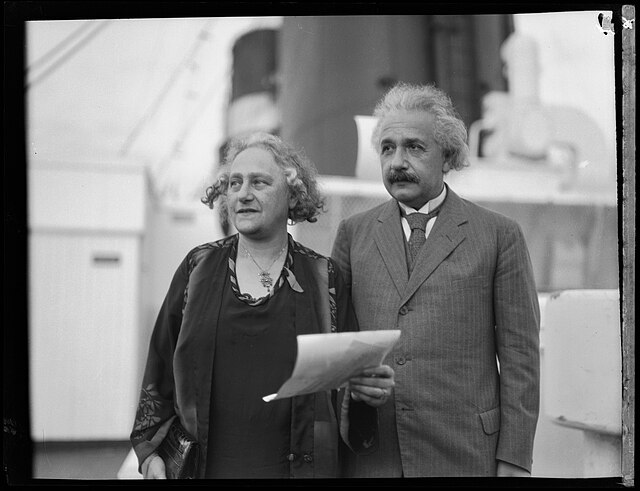
Albert and Elsa Einstein arriving by ship, San Diego, 1930 New York Times
Donald presents compelling evidence that there is a huge overlap between the innate talents of men and women and the choices they make with respect to profession is largely due to family, peer and societal influence. This is borne out by exam results and the statistics from developing countries where a far higher proportion of women opt to study physical sciences (physics and engineering) at university and do so successfully.
Why does it matter?
The Mexican Biologist Esther Orozco said, ‘When a talented woman is led away from science, humanity loses half of its talent and much more of its sensitivity and intuition.’
Is this then a contradiction? Can you both be equally capable but differently wired? If men and women exhibit some differences – on average – as manifested by behaviours, is it not natural that they should gravitate – on average – towards different professions, with women more likely to choose areas rewarding, say, sensitivity and intuition?
It’s a pernicious argument. My school careers advisor recommended I consider nursing when my school results indicated I was good at science. Why not medicine, I protested? Her reasoning (my italics) was that men are better suited to becoming (high paid) doctors (rational and scientific) and women prefer (lower paid) nursing (sensitive and caring).
The dramatic shift in the gender balance in both professions show it was never about ability, but always about stereotypical expectation.

“Doctor with Nurse Cartoon.svg from Wikimedia Commons by Videoplasty.com, CC-BY-SA 4.0“
Despite the career advice I chose engineering because I couldn’t stand the sight of blood.
The saddest part of this book is the ‘leaky pipe’. Having encouraged scientists through undergraduate and even postgraduate studies, far more women than men leave their professions because of a lack of support or opportunity. What a waste.
And this is not just a problem of parental responsibility; it is shocking to realise how much systemic bias is still displayed towards women.
A 1999 report from Massachusetts Institute of Technology (MIT) confirmed that women experienced
‘differences in salary, space, awards, resources…with women receiving less despite professional accomplishments equal to those of their male colleagues.’
In a follow up report in 2011, MIT still found a problem of ‘expected behaviour’ for women in their science faculty with one respondent noting ‘there is an expectation of niceness, sweetness’.
Professor Donald adds pithily, ‘Women who act nice, may not get very far.’
I’ve worked as a professional engineer in industry for over 40 years. I am female. I don’t think of myself as a female engineer, and I never know what to answer when people ask me what’s it like being a woman in a man’s world.
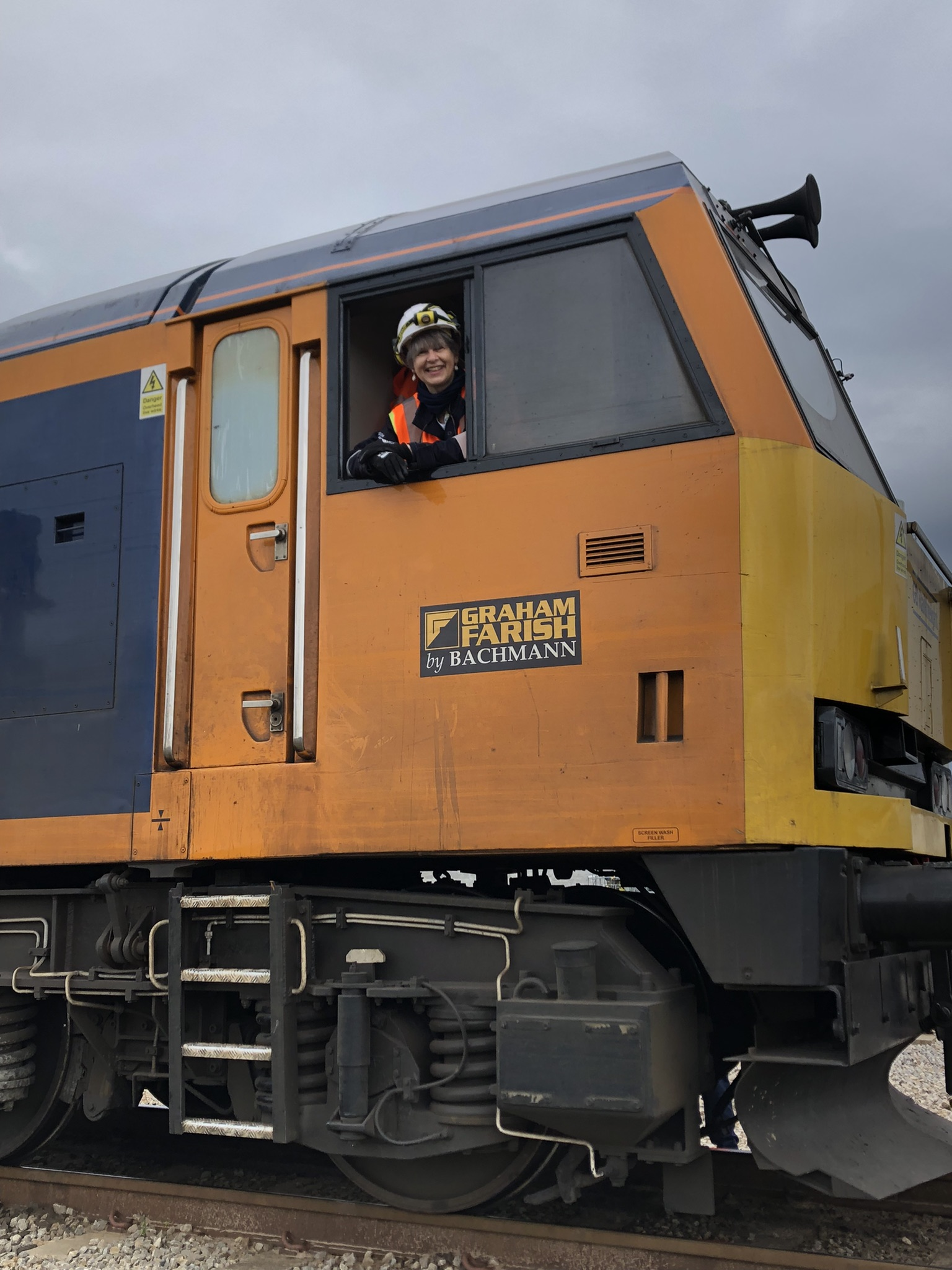
It seems I’m not alone.
Dame Sarah Gilbert – leader of the Astra Zeneca COVID-19 vaccine team is quoted in the book Vaxxers she co-authored with Catherine Green.
‘This is 2020. Why are we discussing women scientists? I’m not a woman scientist, I’m a scientist and more than half my colleagues are women, and we do the job.’
I went to see the film Barbie with my best friend, Marjory, and things finally clicked into place.
This is not a problem of science. This issue is universal.
In the Barbie movie, the actor America Ferrera playing Gloria has the most magnificent soliloquy. She tells Stereotypical Barbie (played by Margot Robbie),
‘It is literally impossible to be a woman… Like, we always have to be extraordinary, but somehow we’re always doing it wrong.’
“You have to be a boss, but you can’t be mean. You have to lead, but you can’t squash other people’s ideas.”
“You have to answer for men’s bad behaviour, which is insane, but if you point that out, you’re accused of complaining. You’re supposed to stay pretty for men, but not so pretty that you tempt them too much or that you threaten other women because you’re supposed to be a part of the sisterhood. But always stand out and always be grateful. But never forget that the system is rigged. So find a way to acknowledge that but also always be grateful.”
“You have to never get old, never be rude, never show off, never be selfish, never fall down, never fail, never show fear, never get out of line. It’s too hard! It’s too contradictory and nobody gives you a medal or says thank you! And it turns out in fact that not only are you doing everything wrong, but also everything is your fault.”
“I’m just so tired of watching myself and every single other woman tie herself into knots so that people will like us.”
:max_bytes(150000):strip_icc():focal(749x0:751x2):format(webp)/america-ferrera-reveals-she-performed-her-barbie-speech-over-30-times-072423-01-7abb00db7c704958b9af96c14f9c543f.jpg)
On-screen mother-daughter duo Sasha and Gloria (Ariana Greenblatt and America Ferrera) in the Warner Brorthers’ Movie “Barbie.”.
Ariana Greenblatt (Gloria’s daughter Sasha in the film) mutters
‘‘Men hate women and women hate women. It’s the one thing we can all agree on.’’
So why does it matter? If misogyny remains a universal problem, why make a song and dance about it in science?
Because science is where the big challenges lie. If we are to address the challenges of climate change, affordable energy supply, poverty, pandemics, if we are to promote prosperity while protecting the planet, then we need scientists and engineers to help to solve problems and devise alternatives. It’s easy to despair; it’s more constructive to roll up your sleeves and get to work.
Professor Donald cares about equity – the opportunity for everyone to make informed career choices that are best for them, not what other people’s expectations force upon them. She is passionate about the value of teamwork – very few modern scientific discoveries are made by a lone genius having a Eureka moment – and the more diverse a team, the better the outcomes.
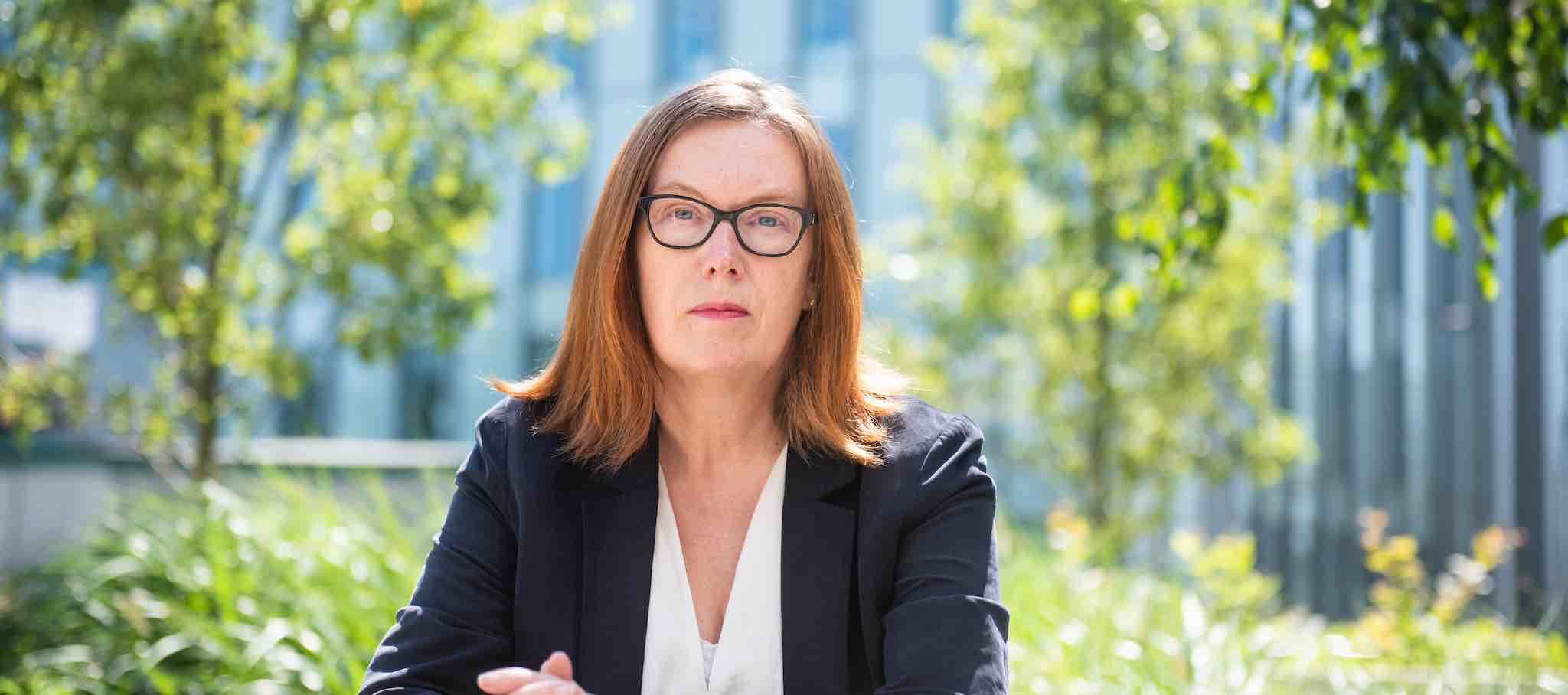
She quotes Dame Sarah Gilbert (pictured above):
‘Scientific discovery…is very rarely a Eureka moment for a lone genius.’ The development of the Astra Zeneca Covid-19 vaccine was ‘a collaborative effort by an international network of thousands of heroes – dedicated scientists in Oxford and across four continents, but also clinicians, regulators, manufacturers and the brave volunteer citizens…’
Things do change. My late mother saw no contradiction in encouraging her children to play with Lego and Meccano as well as dolls and would be delighted to know that there is now a Dame Sarah Gilbert Virologist Barbie.
I think the last word should come from Frances Arnold, Nobel Prize-winner in Chemistry.
‘Don’t leave this wonderful, fun work just for the men.’
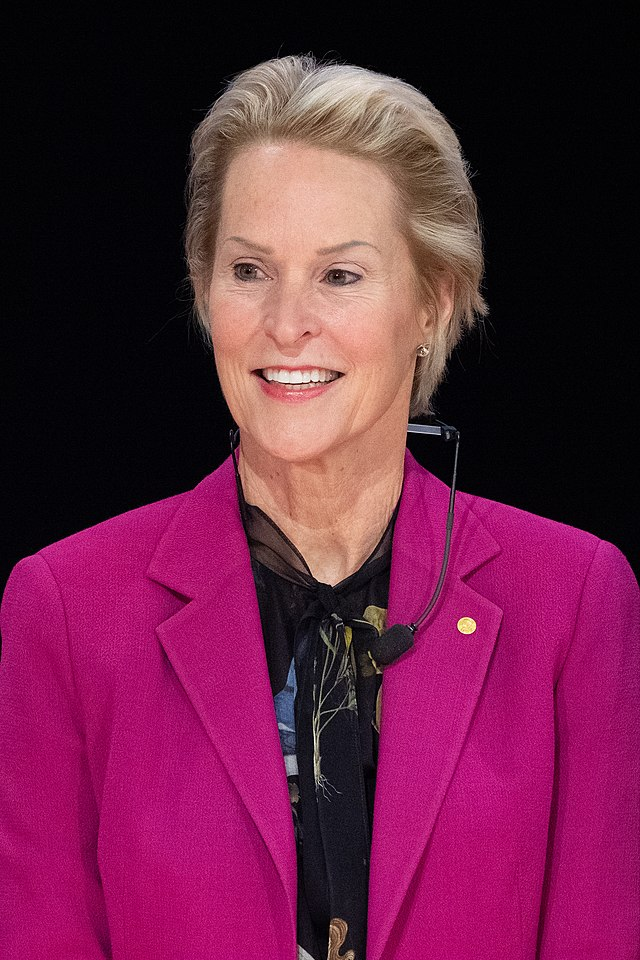
Frances Arnold, Nobel Laureate in Chemistry 2018 Photo Bengt Nyman Creative Commons
Professor Donald devotes much of her excellent book to positive and practical things we can all do to make the world of STEM a healthier environment for everyone.
Fiona Erskine 12th August 2023

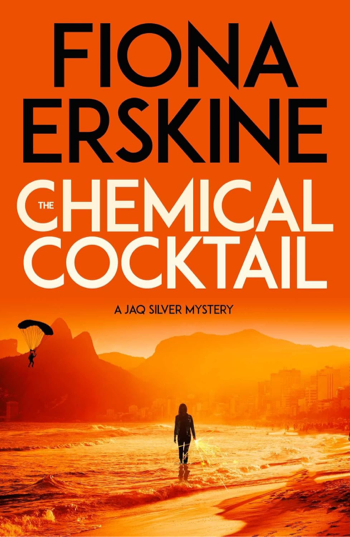
Fiona Erskine’s fifth novel ‘The Chemical Code’ was published by Point Blank Crime in June 2023














[…] thechemicaldetective Uncategorized Aug 11, 2023 1 Minute The one thing we can all agree on […]